Urban Development

How infrastructure shapes urban life

Urban Development

Living in higher density cities reduces emissions and infrastructure needed

Higher density of cities not only reduces transport-related carbon emissions but also reduces the extent of needed infrastructure networks.

Urban infrastructure opens the door to sustainability

Due to their great contribution to resource consumption and pollution, cities are in a strong position to catalyze sustainability in their urban development. Sustainable urban infrastructure development can have positive effects for biodiversity, climate, and resource efficiency, and also improve social inclusion as well as overall wellbeing. Investment in urban infrastructure is essential for mitigating adverse impacts and opens the door for cities to become positive changemakers.

Strategies

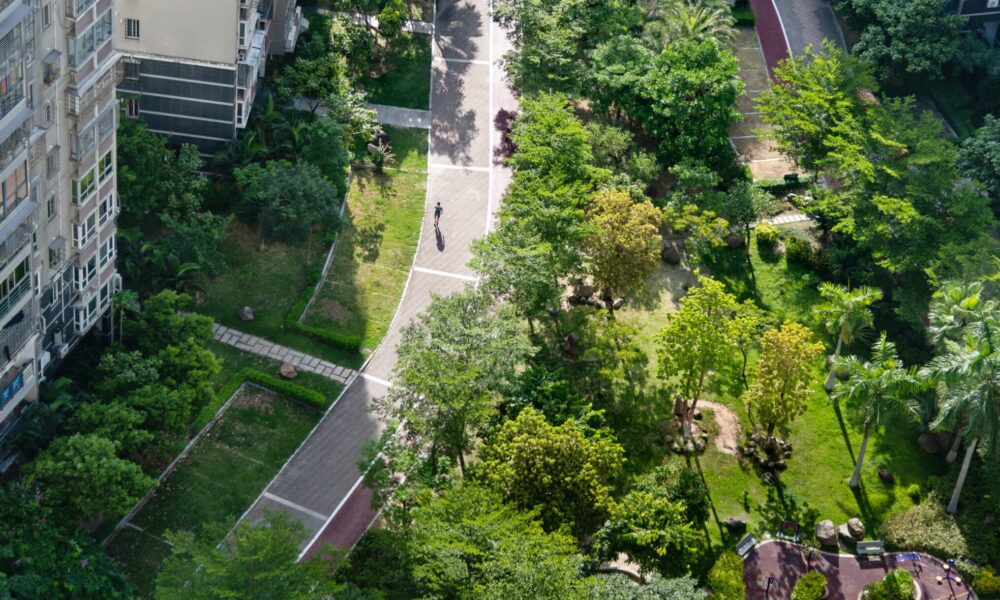
Landscaping,Outside,The,Apartment,Building

Urban Nature-Based Solutions

Urban nature-based infrastructure solutions help cities achieve sustainability and contribute to a city’s resilience against extreme heat events, floods, and extreme rain. For instance, increasing the amount of permeable surface (e. g. sponge cities) increases a city’s ability to absorb rainwater. Parks and other green spaces also have direct physical and mental health benefits for citizens and contribute to the aesthetic value of the city and urban biodiversity and can be integrated into preexisting-built environment. Many cities have converted decommissioned rail lines into walkable linear parks. Klick here for more information on nature-based solutions.

Transit-Oriented-Development (TOD) and the "15 minute city"

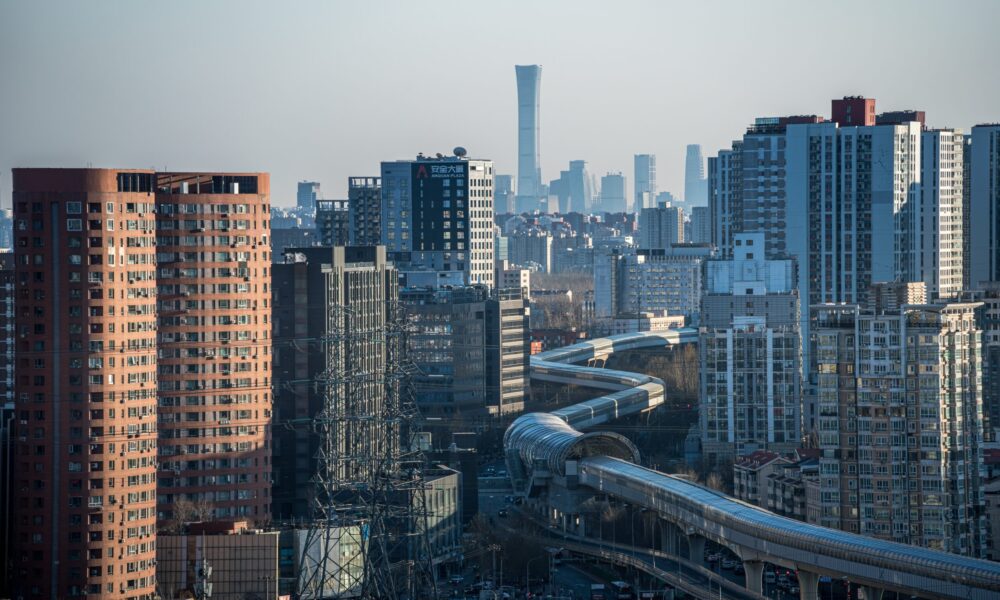
TOD is a strategy of urban development that concentrates housing, jobs and amenities around public transport stations. This strategy increases the number of dense and walkable mixed-use neighborhoods, where services and amenities are available to residents within a 15 minute journey from home, greatly reducing the dependency on individual motorized transport. The main policy-instruments of TOD are zoning and land-use regulations (aimed at residential and business development) as well as transport infrastructure investments.

A subway line is going through a dense urban quarter.
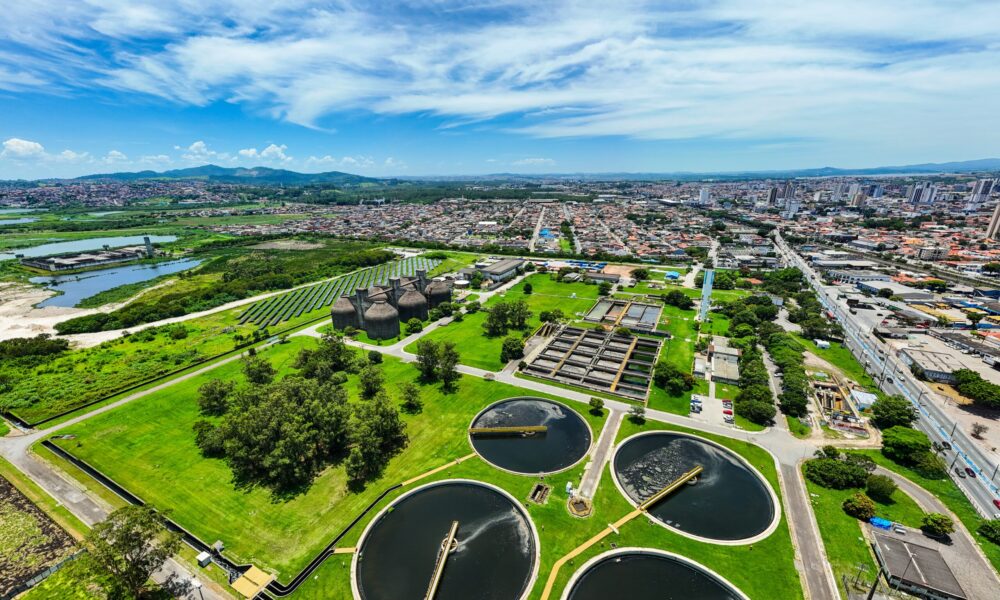
Sanitary Infrastructure can be seen with acity in the background.

Sanitary Infrastructure

An estimateted 40 per cent of people do not have access to safely managed sanitation services. Especially in densely populated urban areas a working sanitary system is necessary to keep public health in check. Without proper sanitation hazards like pests and diseases such as cholera, worm infections and polio increase. An especially vulnerable group of inproper sanitation are infants and young children. A lack of sanitation can lead to stunted growth and underweight. Diarrhoeal diseases are the leading cause of death among children under five, despite being preventable through improved water and sanitation services.

Integrating sustainability in building infrastructure

To account for the growing housing needs in cities, large amounts of building material is needed. Embodied carbon, which represents the emissions caused by the production of building materials and the construction process, accounts for more than 25% of the emissions caused by a building over its life-cycle. The production of concrete and steel is a major carbon contributor in this process. Decarbonizing concrete and steel production or replacing them with less polluting alternatives can improve the sustainability of material use in the building sector.

Not only the material use, but the construction itself can become more sustainable by integrating principles of energy efficiently through better insulation, reduced heating/air conditioning, and even orientation to the sun.

Other well-documented green building techniques include the use of nature-based solutions like green roofs and facades. These methods present a wide array of benefits for the building and the environment, as they not only contribute to insulating buildings during winter, but cool buildings and their surrounding environment in summer, reducing urban heat island effects. They also catch fine airborne particulate matter, sequester CO2, reduce water run-off, and improve biodiversity.

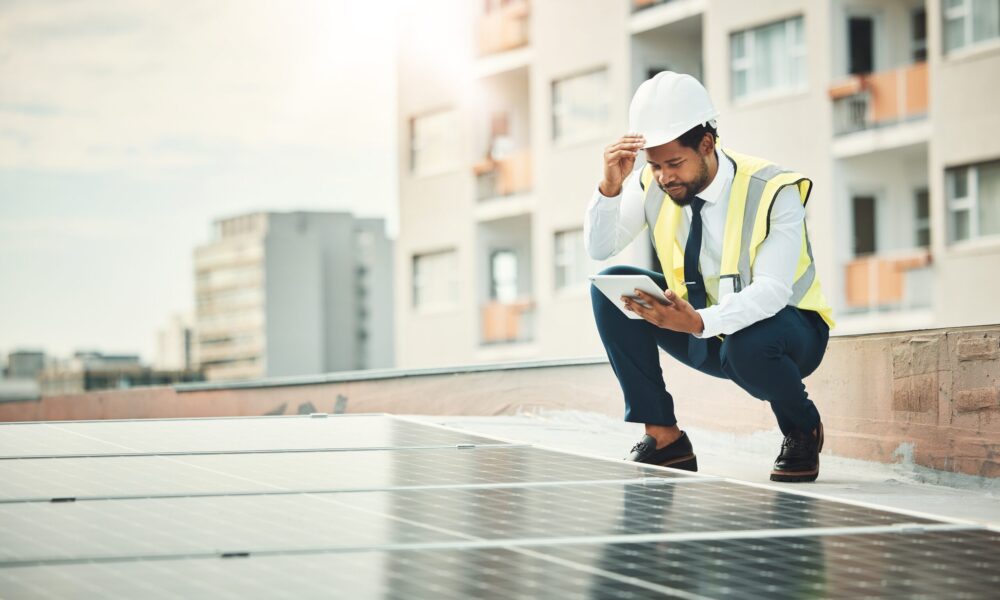
An engineer is inspecting the roof of a house.

Interested in learning more?

The Business Case for Sustainable Buildings

By: World Green Building Council

This report makes the business case for green buildings. It highlights how green buildings contribute to reducing energy needs and therefore in the long building green more than offsets the additional up-front costs.

Transforming the Urban Space Through Transit-Oriented Development

By: World Bank

This report explains how Transit-Oriented-Development can be implemented in urban spaces. According to the report, this is best achieved by focusing on the 3 Value Approach which fosters TOD through maximizing node value, place value and market potential value.

Building materials, embodied carbon

By: PEEB

This report focuses on the ecological footprint of building materials and building techniques. It shows how a significant share of the GHG-emissions related to buildings are determined by the way we build and how those emissions can be avoided.

Sponge City - Wuhan

By: Coalition for Urban Transitions

This article shows how the Sponge City concept has been implemented in Wuhan.

Relevant sustainability tools